

Viscounts of Cabrera route
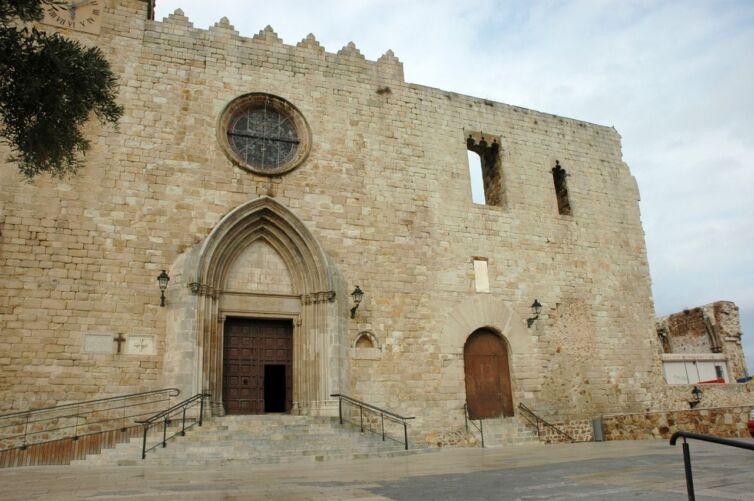
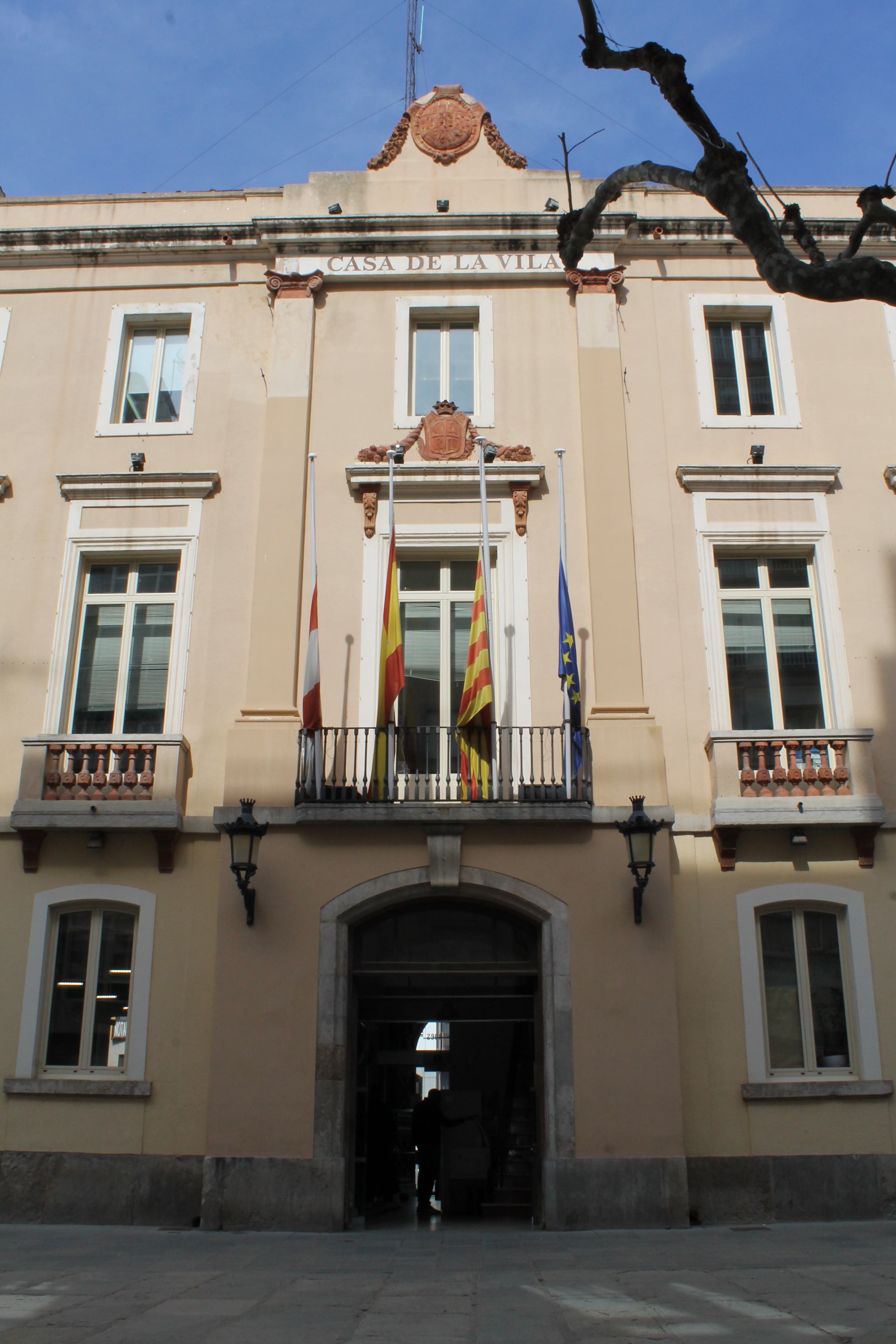
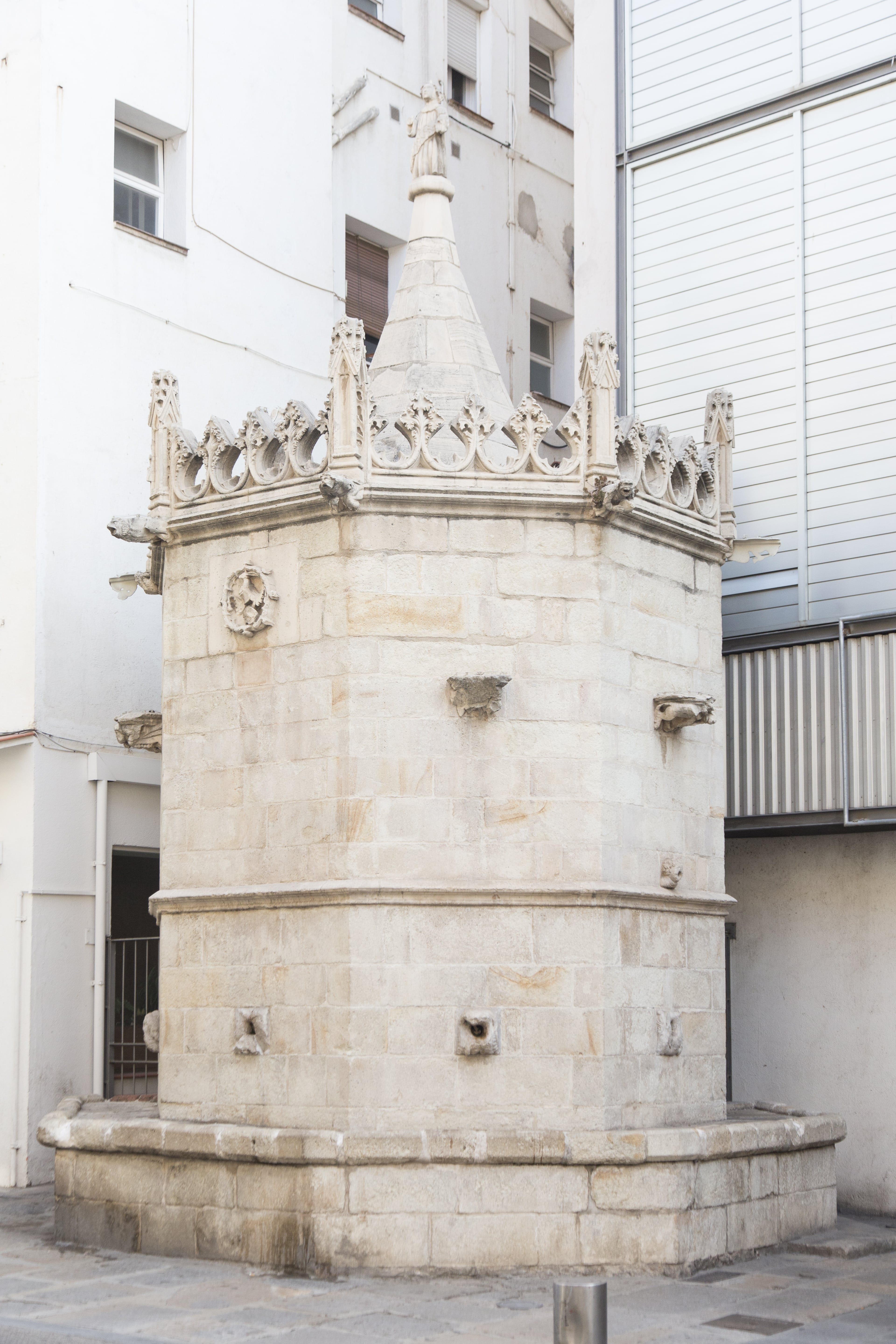
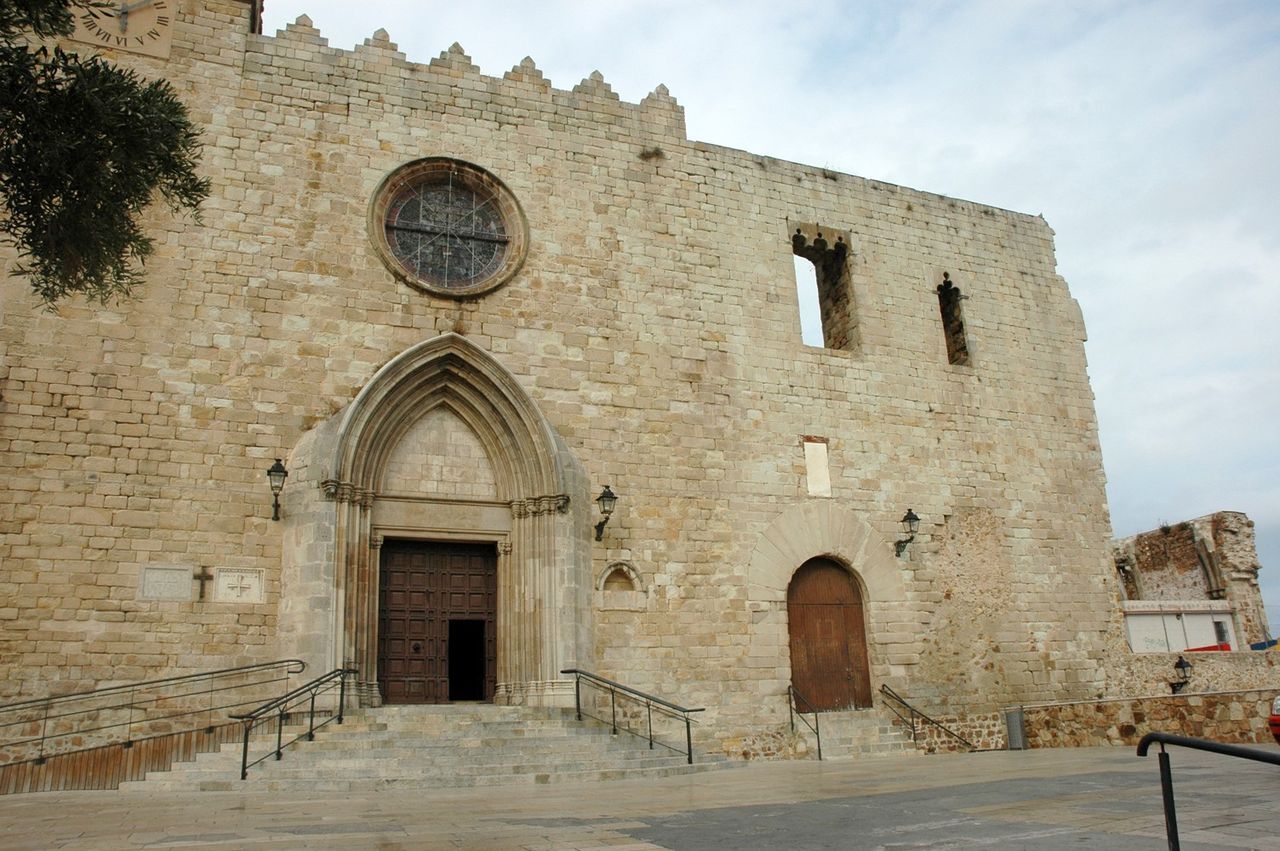
The history of Blanes is closely linked to the Viscounty of Cabrera, one of the most important feudal dinasties in Catalonia for over 900 years, from the 11th to the 19th century. The viscounty was almost a state within the state because it had its own government, taxes, army and justice. The viscounts only obeyed the king as his vassals. They have left a trace on the territory which is still visible nowadays like those castles or vilas where they lived in. The ones in Blanes are some examples but there are more in other towns, such as Hostalric, Anglès, Vidreres, Palafolls and Torelló. Hostalric had always been the administrative capital until the end of feudal dinasties.
Where history meets the sky
Blanes Town Council, through the Department of Archives and Historical
Heritage, welcomes you to the tower of the Castle of Sant Joan, now open to
the public.
From this privileged vantage point – one of the highest in Blanes – you’re
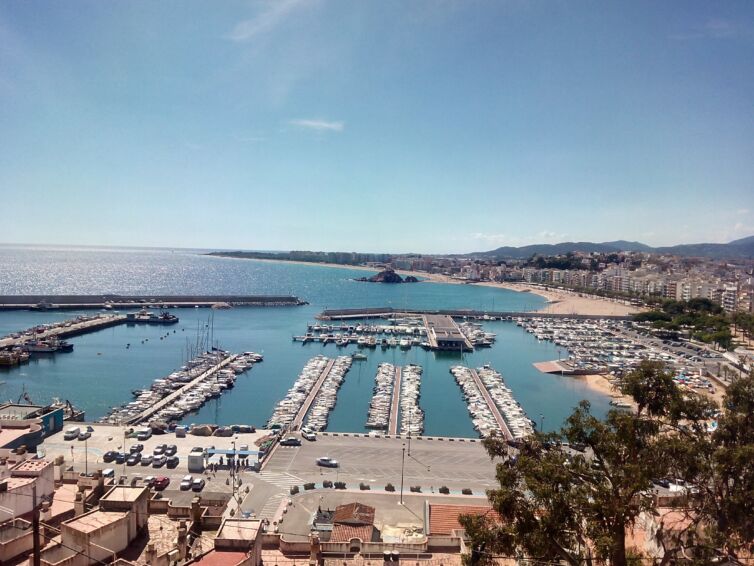
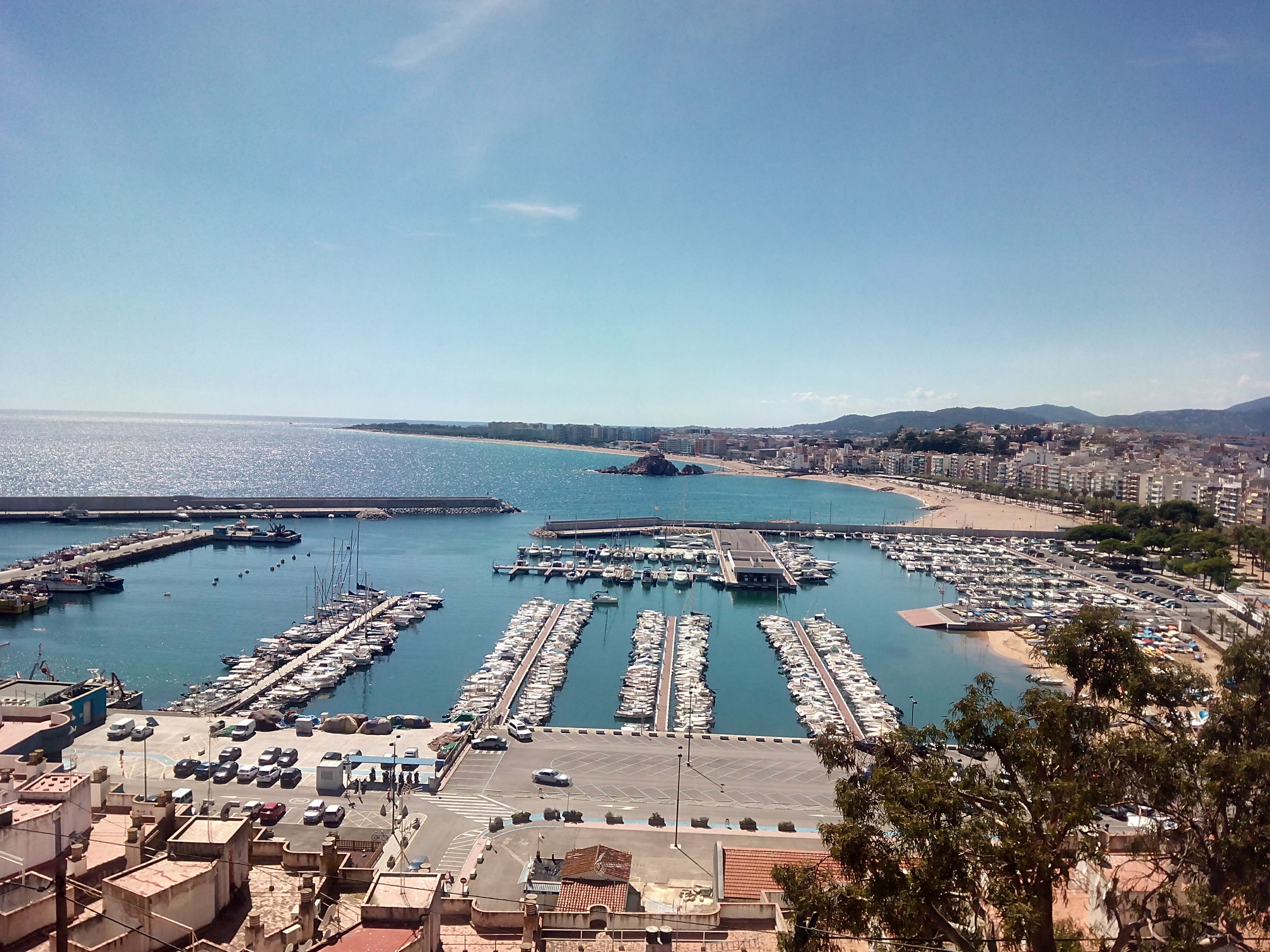
treated to a spectacular 360-degree panorama, where the beauty of the
town and its surroundings stretches out before you, embracing the
immensity of a sea that links past and present.
Take a journey through time: you’re standing at a strategic lookout that
played a vital role in the era of the Cabrera family. Enjoy unforgettable views
as you walk through the living history of our town.
The landscape
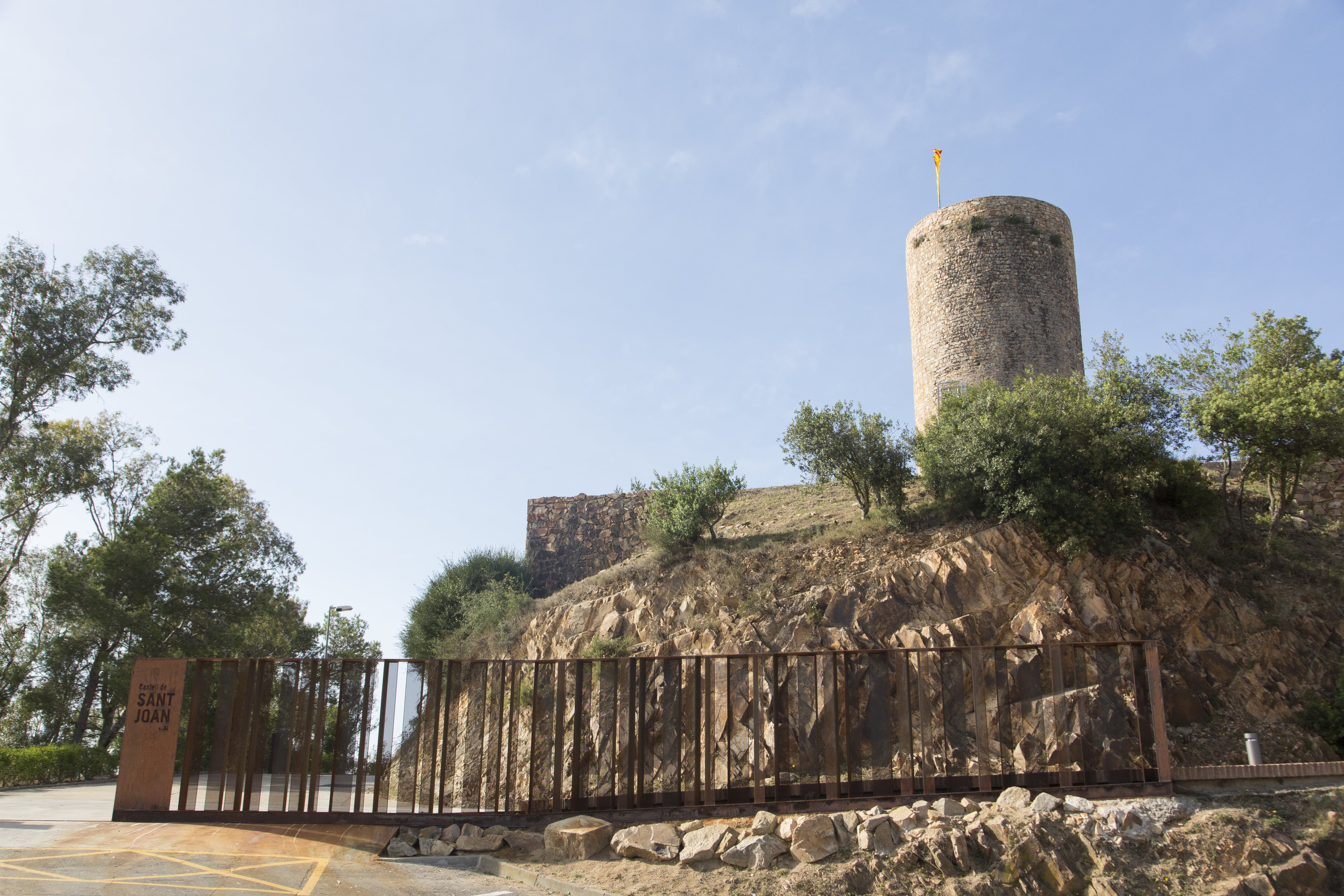
The Castle of Sant Joan stands at the top of the hill of the same name, rising
about 173 metres above sea level.
From its summit, looking west, you can see the whole Tordera plain from the
coast to Hostalric. On clear days, the silhouette of Barcelona’s Montjuïc
comes into view, along with the coastal range, including Montnegre, and the
inland massifs of Montseny, Montsoriu and the Guilleries. To the east, the
views stretch towards Lloret, Cape Tossa and Cadiretes. Inland, you can
make out Santa Bàrbara, the hills of El Vilar, Montbarbat and the Gavarres
range.
The castle and the tower
Although the architectural ensemble we see today is medieval in origin, Sant
Joan had already been used as a lookout point in Iberian times.
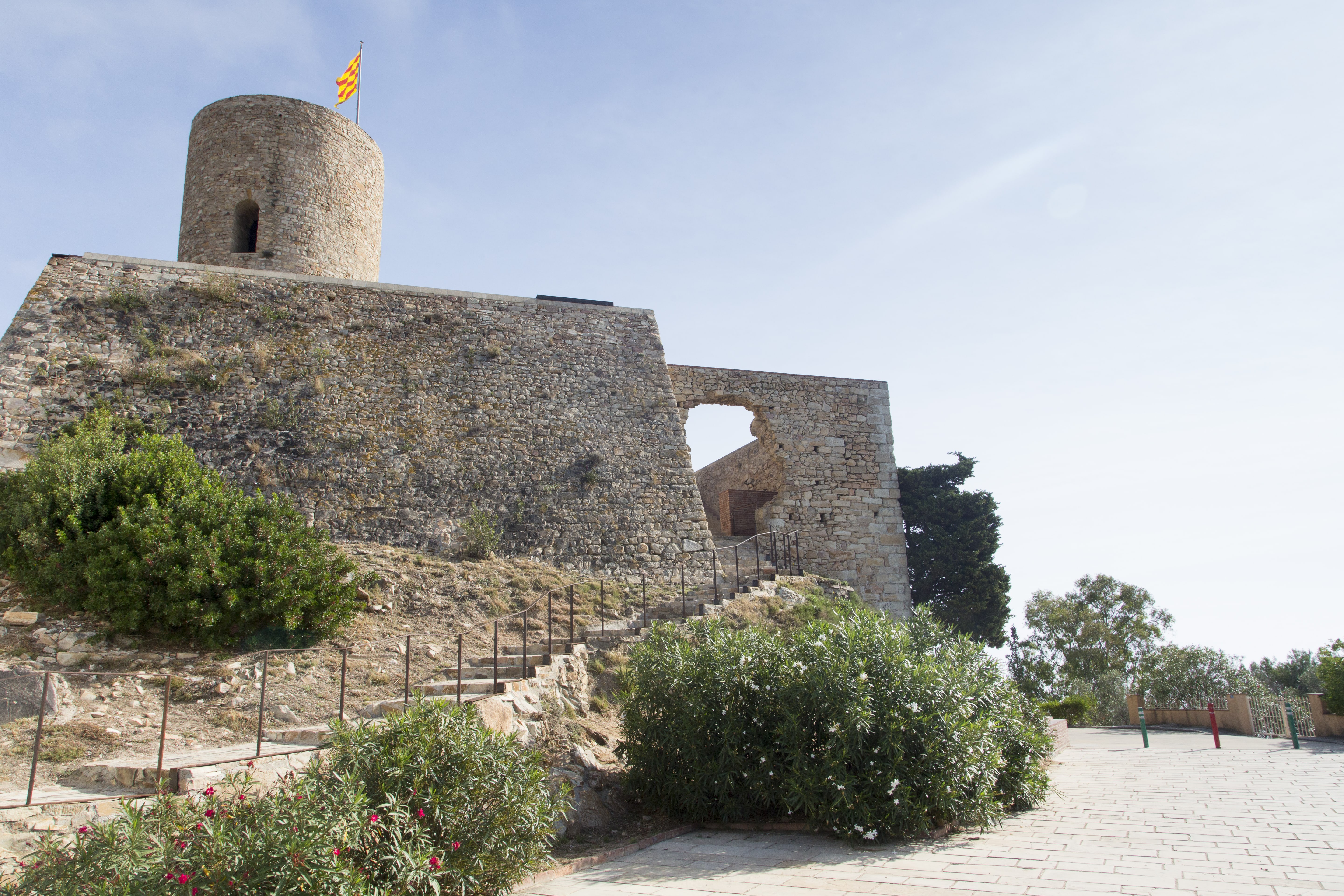
The castle consists of a largely rectangular walled enclosure and a cylindrical
tower about 15 metres high. Its form reflects the site’s antiquity and matches
the layout of the earliest Catalan castles.
The enclosure measured roughly 23 metres wide by 34 metres long, and was
accessed through a doorway on the southern side, now heavily damaged.
The castle chapel, dedicated to Saint John, was built outside the walls due to
lack of space and is recorded in documents dating all the way back to 1245.
Access to the main tower was through a round-arched doorway about nine
metres above ground level, which can still be seen today. The tower was
divided into two floors roofed with spherical vaults, had a sloping base and
was surrounded by a moat. Entry was via a wooden ladder, which ensured its
inaccessibility in the event of an attack by allowing the only doorway to be
closed off.
A castle with a long history
The castle is first mentioned in the year 1001, when it appears as the Castle
of Blanes or Forcadell.
The castle and the town of Blanes were under the jurisdiction of the feudal
lords of the Cabrera family, who until 1382 had the Blanes family as their
sub-vassals.
The castle’s role was to defend the town from dangers that came mainly
from the sea – enemy incursions, pirates and so on. From the 14th century
onwards, however, together with the Viscount’s Palace, it formed part of the
great line of fortifications along the Tordera River that had the mission of
protecting Barcelona, the country’s capital, from the north.
After the Crown returned the viscounty to the family, the Cabrera family
established its residence in Blanes at the end of the 14th century. It built a
new fortified palace beside the church and rebuilt the perimeter walls of the
Castle of Sant Joan, leaving them much as we see them today. At this point,
Blanes became the capital of the Viscounty of Cabrera.
Decline and abandonment
The castle began to lose its strategic importance from the late 15th century
onwards. Advances in military technology – above all the introduction of
gunpowder and artillery – rendered many old fortifications, including Sant
Joan, practically useless.
By the end of the 15th century, signs of abandonment were already evident.
During the construction of the Capuchin convent in 1588, the friars took the
dressed stone from the castle walls, as well as the timber.
The castle remained abandoned until an optical military telegraph station
was installed there between 1849 and 1859. For this purpose, certain
alterations were made to the main tower.
Between 1954 and 1958, the Reconstruction Board of the Castle of Sant Joan
restored the tower and the chapel.
The most recent interventions on the site
The current state of the ensemble is the result of municipal restoration
works carried out between 1987 and 1991 by the architects Fuses and
Viader. At that time, an emergency archaeological excavation was
undertaken, shedding light on the history of the castle. The present
appearance of the ensemble is the result of the adaptation project carried
out in 2015 by the architects of the Nus studio.

Download PDF
Route of the Viscounts of Cabrera